A Second Pair of Eyes on Your App Before It Ships
Mobile apps carry real risk when they launch with unresolved performance issues, overlooked security gaps, or structural debt. Platform AI Cloud provides an independent technical audit that gives your team a clear, structured picture of what needs attention — before your users find it.

Code Review Session

Audit Report
Line-level inspection of performance-critical paths
Identify vulnerabilities before they reach production
Structural patterns evaluated for long-term health
Prioritized, actionable documentation your team can use

Architecture Planning
An Independent Technical Review Built for Release Confidence
Your internal team knows the codebase deeply. That familiarity is a strength — and occasionally a blind spot. Platform AI Cloud steps in as an external reviewer with no prior assumptions about how the code should work, which means we look at it the way a new engineer, a security researcher, or a performance engineer would.
The audit covers three primary areas: runtime performance patterns that could cause slowdowns or battery drain, security practices around data handling and API communication, and architectural decisions that affect how the app will scale and evolve. We document every finding with context, severity, and a suggested path forward.
Explore the ProcessWhat the Review Covers
The two-week audit is organized into focused areas. Each one is reviewed independently, then synthesized into a single prioritized findings document.
Performance issues in mobile apps rarely announce themselves clearly. A slightly slow list scroll, a login that takes a beat too long, memory that climbs gradually — these are the patterns we look for. The performance review examines rendering pipelines, main thread usage, network request patterns, database query efficiency, and how the app manages memory across different device profiles. We look at startup time, background task behavior, and how the app handles degraded network conditions. Each finding includes the specific code path involved and a technical explanation of the impact.
Mobile security vulnerabilities often live in places developers don't think to look: local storage of sensitive values, certificate validation logic, API authentication flows, and how the app handles deep links or inter-process communication. We review these areas against established mobile security frameworks and document any gaps with clear severity ratings. The review also covers how the app handles user data at rest and in transit, third-party SDK permissions, and what an attacker could extract from the installed app binary. Nothing is assumed to be safe by default.
Architecture problems tend to compound. A tightly coupled module that works fine at launch becomes a maintenance burden six months later. The architecture review looks at how the codebase is organized, how dependencies flow between components, and whether the patterns in use are consistent and appropriate for the app's scale. We evaluate state management approaches, data flow clarity, testability of core logic, and how new features would be added without disrupting existing behavior. The findings here tend to be the most forward-looking, focused on what will matter after launch.
Modern mobile apps rely on a significant number of third-party libraries and SDKs. Each one introduces a surface area for bugs, security issues, and licensing complications. This part of the review catalogs all external dependencies, checks for known vulnerabilities in pinned versions, identifies packages that are significantly out of date, and flags any libraries with unusual permission requirements or data collection behavior. We also review how the app would be affected if a critical dependency changed its API or was abandoned.
Test coverage is not just a number — it's a signal about how the team thinks about risk. We review the existing test suite for coverage of critical paths, the quality of test assertions, and whether integration or end-to-end tests exist for user-facing flows. Apps heading into a major release with thin test coverage in core areas carry meaningful risk. We document which areas are well-tested, which are not, and where gaps in coverage correspond to areas that also have architectural or security concerns. This creates a risk map, not just a coverage report.
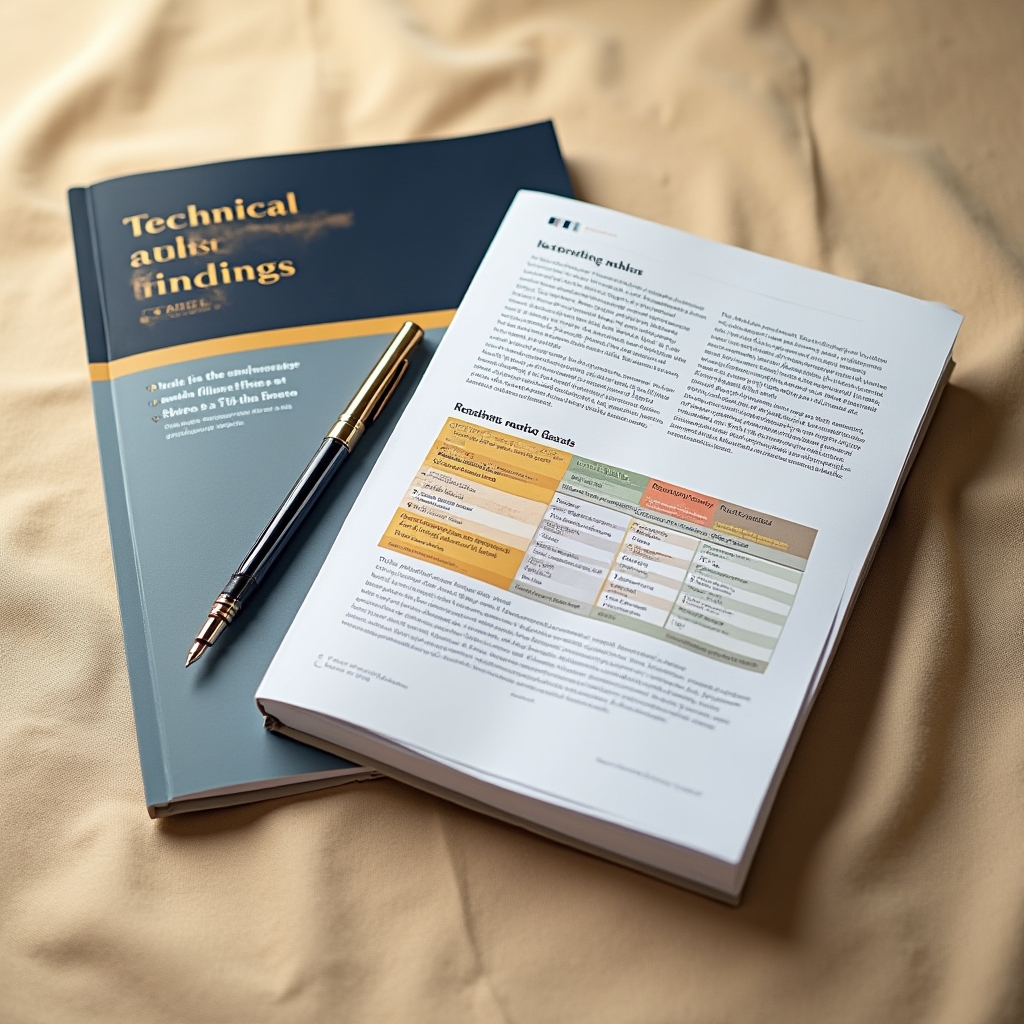
Every audit concludes with a structured written report. Findings are organized by severity — critical, significant, and advisory — and each one includes the specific location in the codebase, a description of the issue, the potential impact, and a recommended approach for addressing it. The report is written for your engineering team, not for executives, which means it goes into technical depth. We also provide a summary section for stakeholders who need the high-level picture. The handoff includes a walkthrough session where your team can ask questions about any finding.
What Makes an Independent Review Useful
No Prior Assumptions
An external reviewer approaches the code without knowing why decisions were made. That fresh perspective surfaces issues that familiarity tends to normalize over time.
Cross-Domain Coverage
Performance, security, and architecture are reviewed together. Problems that span multiple areas — a security issue caused by an architectural shortcut, for example — are identified as connected findings rather than isolated notes.
Defined Timeline
The review runs for exactly two weeks. That structure means your team knows when to expect findings and can plan remediation work around a real schedule, not an open-ended process.
Prioritized Output
Every finding is rated by severity and potential impact. Your team can triage the report immediately and focus effort where it matters most, rather than working through an undifferentiated list.
Security-First Mindset
Security is not treated as a checklist. The review considers how an attacker or a curious researcher would approach the app, which produces findings that reflect real-world risk rather than theoretical compliance.
Plain Language Documentation
Technical findings are written to be understood. Jargon is used where it's precise, not to obscure. Your team should be able to read the report and act on it without a second round of clarification.
Walkthrough Included
The audit doesn't end with a document drop. A live walkthrough session lets your engineers ask questions, push back on findings, and understand the reasoning behind each recommendation.
iOS and Android Coverage
The review covers native iOS, native Android, and cross-platform codebases built with React Native or Flutter. Platform-specific patterns and risks are considered for each target environment.
Inside a Technical Audit
A look at what the review process involves, from initial codebase access through to the final findings handoff.
-

Security Analysis
-

Performance Profiling
-

Findings Walkthrough
-

Dependency Review
-
Written Report
Schedule a Review Before Your Next Release
Send us a message with details about your app and your release timeline. We'll follow up to discuss scope and confirm whether the timing works for a two-week review.

Release Planning